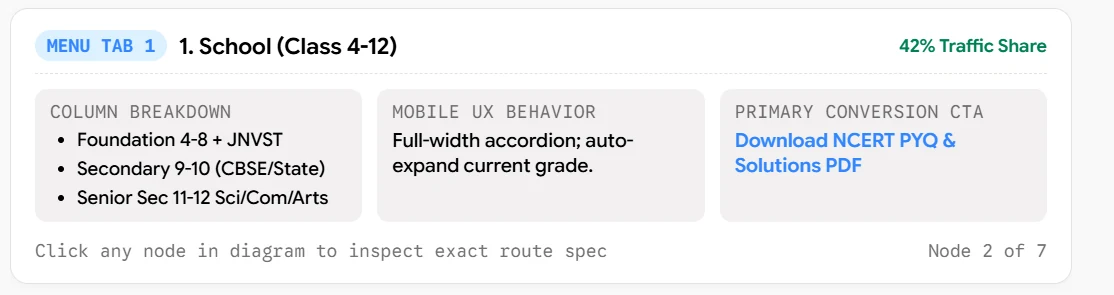
Class 4–12
School learning
Study concepts step by step with chapter notes, worked examples, revision prompts and practice suited to your class and board.
NCERT-alignedBoard supportPractice
Explore school learning One learning space. School, college, competitive exams and research—connected.
Explore learning paths ↗Start with your current class or objective. Find explanations, practice and next-step resources for school, college, competitive exams or research.
Study concepts step by step with chapter notes, worked examples, revision prompts and practice suited to your class and board.
Make sense of semester topics, major and minor subjects, coursework, assignments and end-semester preparation.
Build a syllabus plan, practise topic-wise questions, analyse previous-year papers and review mistakes before mock tests.
Go beyond summaries with formal derivations, challenging problems, computational tools and subject-specific practical guidance.
Plan research coursework, sharpen a proposal, organise literature, choose methods and practise responsible academic writing.
Read concise news explainers alongside the related concepts in polity, history, geography, economics, science and the environment.
The most useful study route depends on your goal. Choose a learner type to see a practical sequence for understanding, practice and review.
Build the concept with simple notes, work through examples, and finish with chapter-wise questions and revision prompts.
Explore school learning →Browse core disciplines and follow a topic from an introductory explanation to exam practice, university-level study or research methods.
No subjects match this filter yet. Try another category.
Each stage calls for a different approach: build foundations, practise core concepts, develop subject depth and learn to investigate questions independently.
Build reading, number sense, curiosity and confidence through clear explanations and guided practice.
Explore Classes 4–5 →Explore scientific inquiry, mathematical thinking, languages and social science through connected topics.
Explore Classes 6–8 →Strengthen core concepts, practise structured answers and revise for school assessments.
Explore Classes 9–10 →Go deeper in chosen subjects while keeping interdisciplinary options and entrance preparation in view.
Explore Classes 11–12 →Navigate major, minor, multidisciplinary, skill and ability-enhancement learning areas.
Explore UG study →Connect advanced concepts with computational methods, laboratories and subject-specific preparation.
Explore MSc / PG →Develop research questions, plan a study, understand ethics and prepare for scholarly communication.
Explore research →Designed for continuity: a topic can begin with a school-level explanation and connect to university theory or exam practice—without requiring the learner to start from scratch.
A percentage lesson may need pictures and word problems for school, efficient methods for an aptitude test and data-based applications later. A shared concept can support each route while examples and practice remain relevant to the learner.
Start with definitions, intuition, diagrams, derivations or worked examples at the right level.
Switch to board-style questions, exam shortcuts, advanced problem solving or research context.
Use topic tests and revision cues to identify what needs another look.
Strengthen concepts first, then practise the question styles, timing, revision priorities and official syllabus for the examination you are targeting.
General Studies, CSAT, polity, history, geography, economy, environment, ethics and state-specific GK.
Arithmetic, advanced maths, reasoning, English comprehension, general awareness and computer basics.
Quantitative aptitude, data interpretation, puzzles, English and financial or banking awareness.
Research and teaching aptitude, disciplinary theory, advanced problem sets and syllabus-aligned revision.
Subject mastery for science and university entrance tests, with concepts linked to targeted practice.
Pedagogy, language, mathematics, EVS, child development and classroom-oriented learning.
Exam patterns, syllabus coverage, eligibility and marking schemes can change. Match every preparation plan to the latest official notification for your target examination.
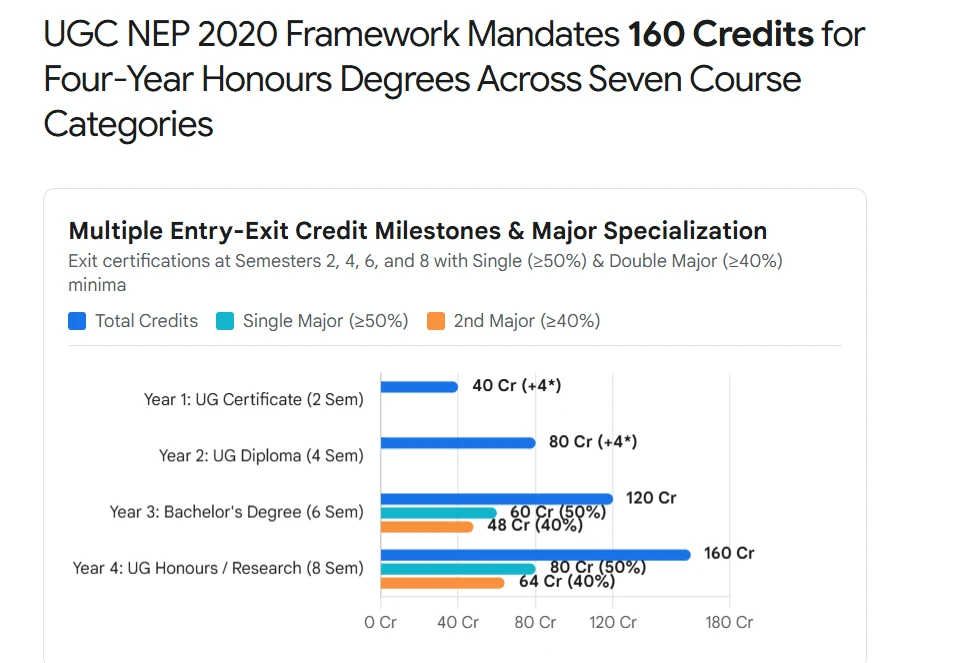
Organise undergraduate and postgraduate learning around course outcomes, clear explanations, worked problems, assignments, practical skills and exam preparation. Always compare credit and award requirements with your university’s current regulations.
Organise study around your selected major, minor and other course categories. Use semester notes, worked problems and revision support alongside your university syllabus.
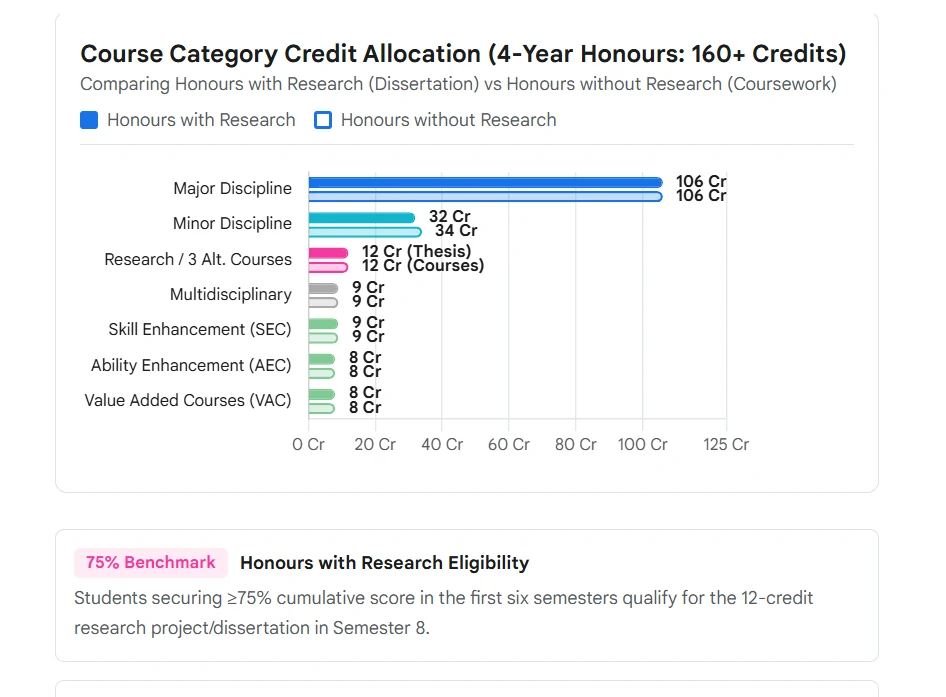
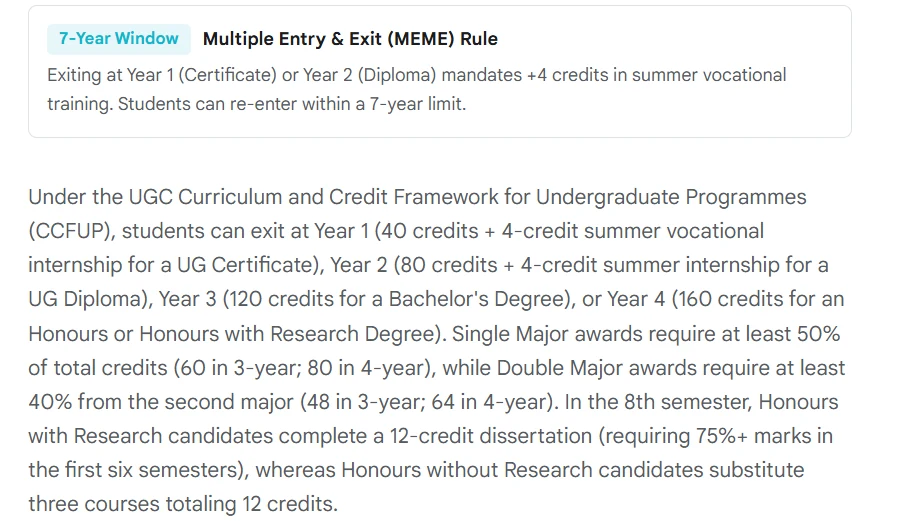
Develop stronger subject knowledge with formal derivations, advanced problem solving, data and computational practice, lab guidance and dissertation planning.
Connect core concepts with data, computation, lab practice and discipline-specific exam preparation.
Learn how to refine a research question, review literature, choose a suitable method, manage citations, document evidence and plan a thesis. Admission and coursework requirements must be checked against current university and regulator guidance.
Understand common pathways, entrance-test preparation, interviews, documentation and official university rules.
Learn research questions, literature review, sampling, qualitative and quantitative methods, and appropriate statistical tools.
Build sound habits around attribution, authorship, data integrity, citations, similarity reports and journal selection.
Plan milestones for proposals, seminars, supervisor feedback, chapter drafts, submission and viva preparation.
Bring your question, literature, method, evidence and writing process into a clear sequence.
These visuals introduce research planning, coursework and academic-integrity topics. Confirm every threshold, eligibility rule and institutional procedure against the current official document before relying on it.
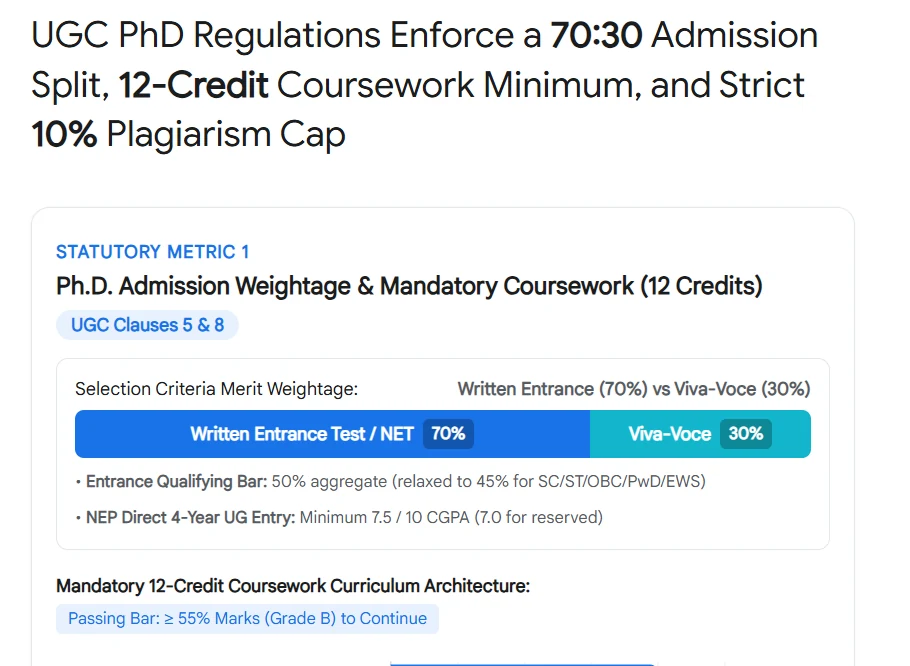
Use this as a visual starting point for learning about doctoral entry routes and common coursework components.
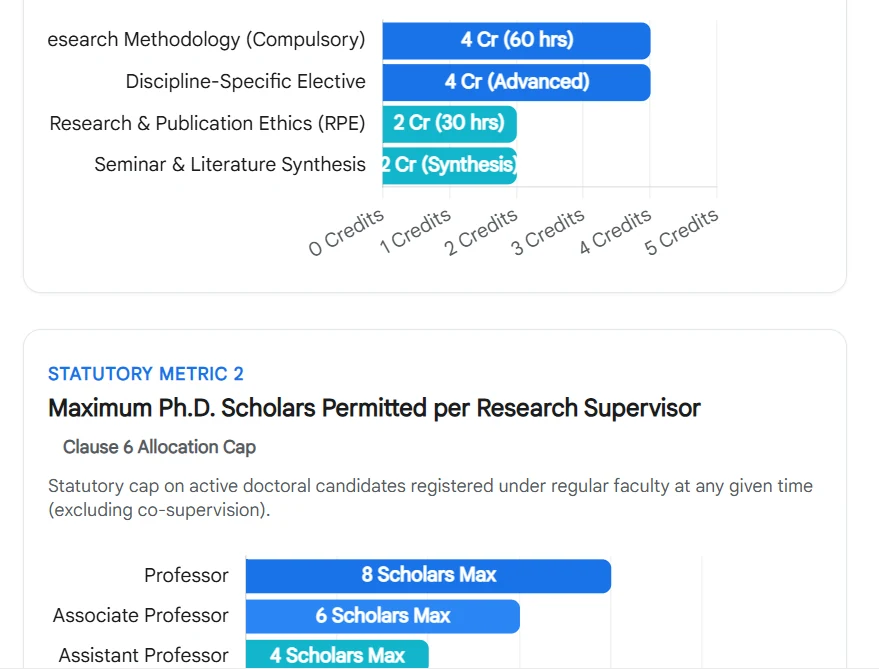
Explore supervision structures and research-course components, then confirm details with the applicable regulator and institution.
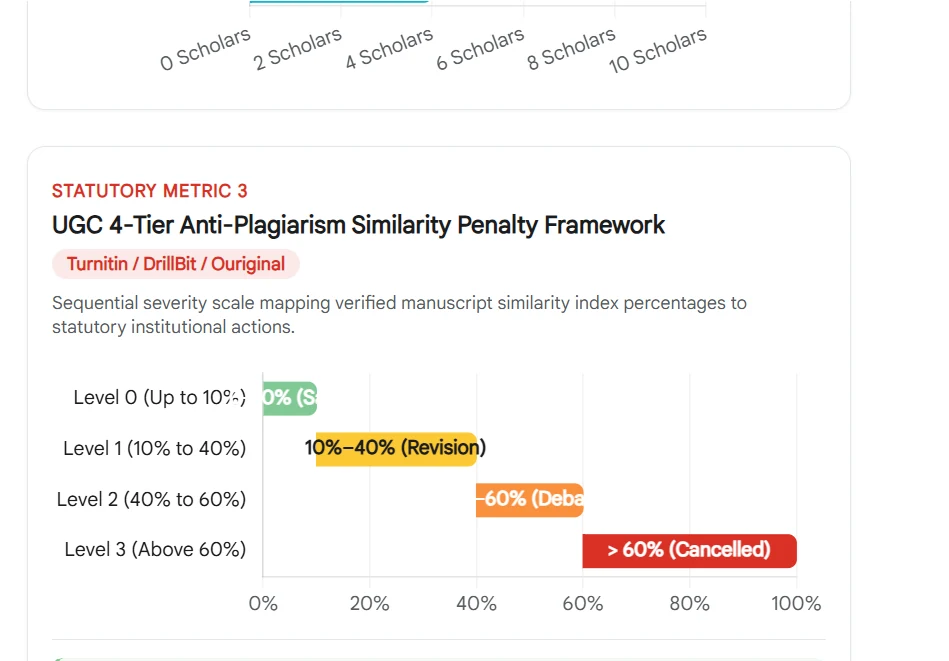
Learn attribution, exclusions, review workflows and the difference between a similarity score and a plagiarism finding.
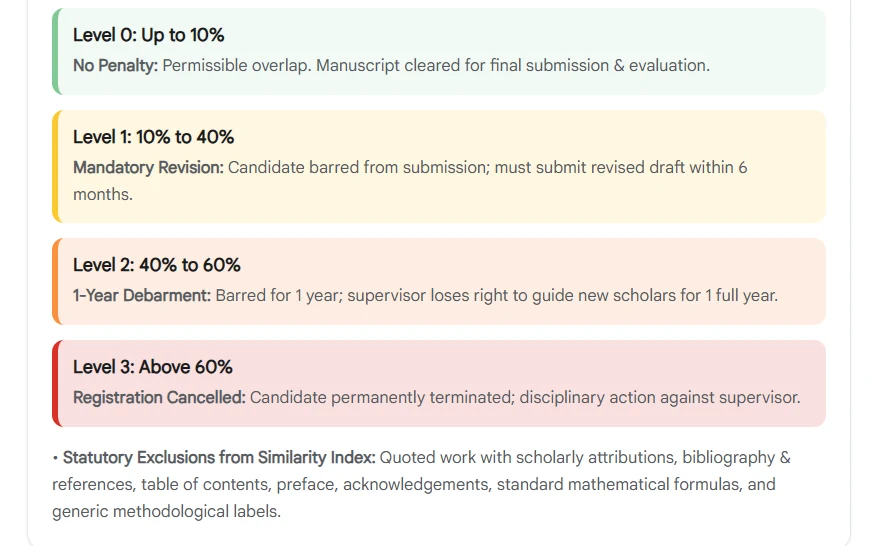
Thresholds and consequences depend on current rules, manuscript category and university procedures; verify before relying on any figures.
Useful current-affairs learning explains what happened, why it matters and which core subject helps make sense of it. A policy update can connect to polity; a central-bank decision to inflation and banking; a space mission to physics and technology.
Connect the update to inflation, interest rates, liquidity and the role of the central bank.
Example of the planned content structure—not a live news update.
Try this short demonstration, read the explanation and notice how a question can reinforce a concept. It is a sample interaction, not a full or officially scored mock test.
A core idea is included in school maths and several competitive exams. What is the most scalable way to organise the learning content?
Use topic notes, revision prompts, practice sets and weekly checklists to turn a large syllabus into specific tasks you can revisit and complete.
Use concise definitions, formula lists, concept summaries and revision prompts to revisit key ideas.
Browse subjects →Move from basic questions to mixed practice, exam-style MCQs and previous-year-question analysis.
Explore practice routes →Break syllabus goals into weekly tasks, track completed topics and identify what needs another pass.
Choose a learning stage →The StudyON content blueprint links concepts to relevant classes, degree courses and exam objectives. The goal is to make prerequisites, explanations and next-step practice easier to discover while keeping each syllabus and audience in context.
One concept libraryShared concepts mapped to multiple curricula and exams.
Flexible learning viewsSchool, academic, exam and research perspectives.
Practice with contextQuestions connected to the topic they are designed to test.
Begin with your current stage, explore a subject and build confidence through clear explanations, deliberate practice and regular review.
Website security powered by MilesWeb